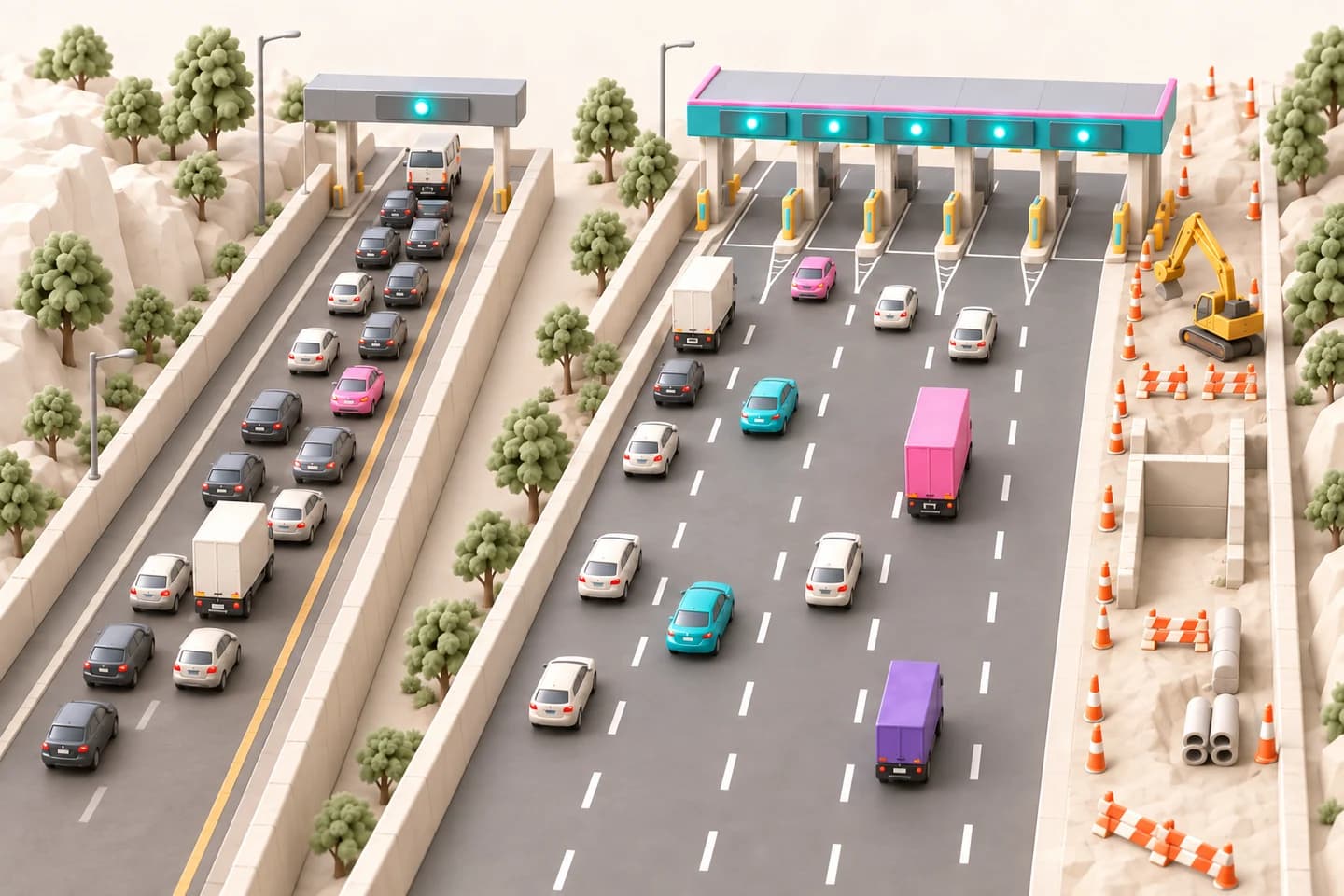
AI traffic exposed that our API had grown up without the design, metering, or commercial model to support it. I'm leading the rebuild, from the architecture to how we sell it.
Role
Product lead
Company
MMIT
Timeline
2026
Status
In build
API strategy
Usage metering
Pricing and packaging
Cross-functional alignment
The problem
Our API had grown organically, designed around raw calls. To get the data they actually needed, a client might have to make fifteen calls. Usage also wasn't closely metered or held to what each client had licensed. That was workable while traffic stayed modest.
Then AI arrived. Clients started pointing AI tools and agents at the API, volume climbed fast, and a few clients' traffic began straining the service. At the same time, some of our newest products carried data the API didn't offer at all.
The call
Rebuild the API and the way we meter and sell it at the same time. Fixing only the architecture would leave usage uncontrolled, and fixing only the pricing would charge clients for our design flaws.
How I got there
Designed for efficiency.
The new model is architected so clients get what they need in far fewer calls, and it brings in data from the newer products.
Metered what matters.
Instead of counting raw calls, we meter qualified queries, with controls that keep usage in line with what each client has licensed.
Made consumption fit annual contracts.
We sell annual contracts, not monthly subscriptions, which makes pure consumption pricing awkward. I worked with sales operations and revenue leadership on packaged usage sets for the contract term, then on how to forecast, budget, and set sales targets around them.
What changed
It's still in build. The new architecture and metering are underway, and we've agreed with sales operations and revenue leadership on a packaging approach that works within annual contracts. The forecasting and sales-target work is still in progress.